💡 Quick Answer
A reference image can communicate the visual direction of a baby knitwear product, but it is not a complete sample instruction. Before developing a sample, the buyer and supplier should normally clarify garment measurements, yarn composition, knit structure, knit density, construction details, colours, trims, labels and the elements that must closely match the reference.
Many babywear and kidswear brands begin product development with a reference image.
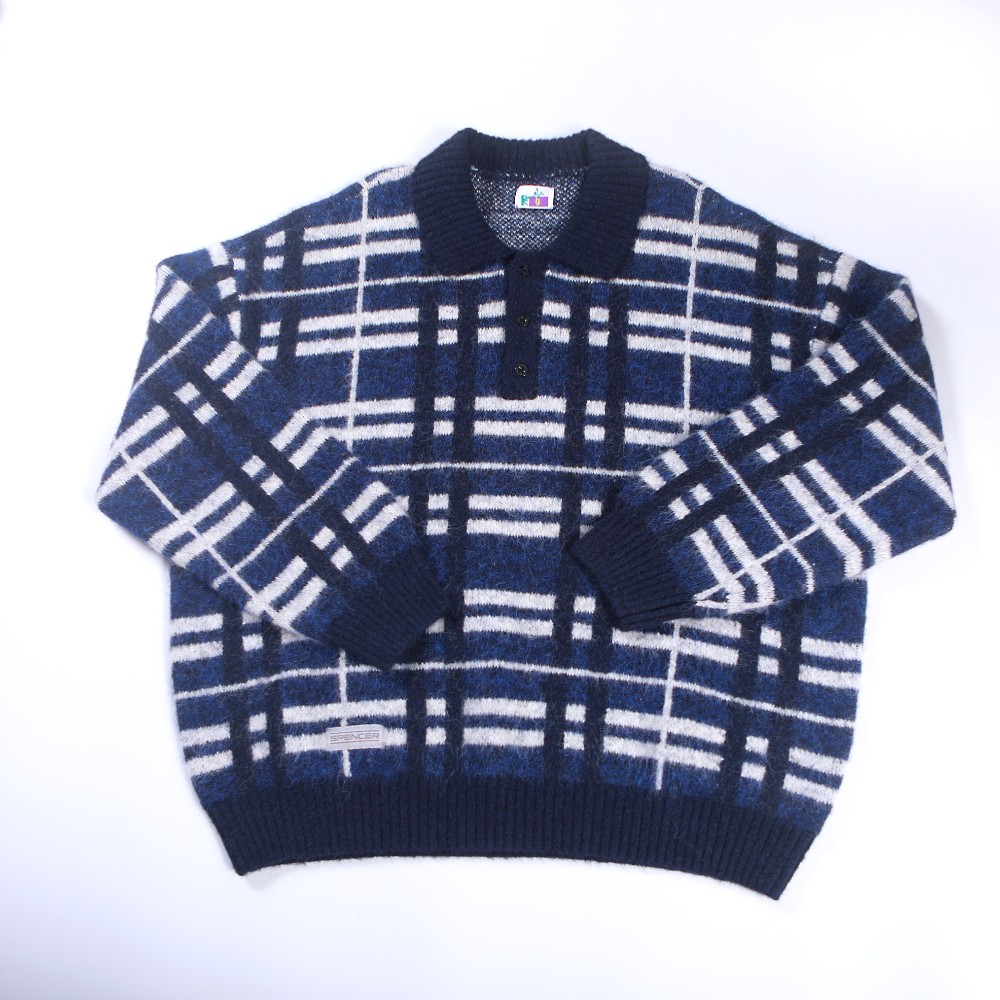
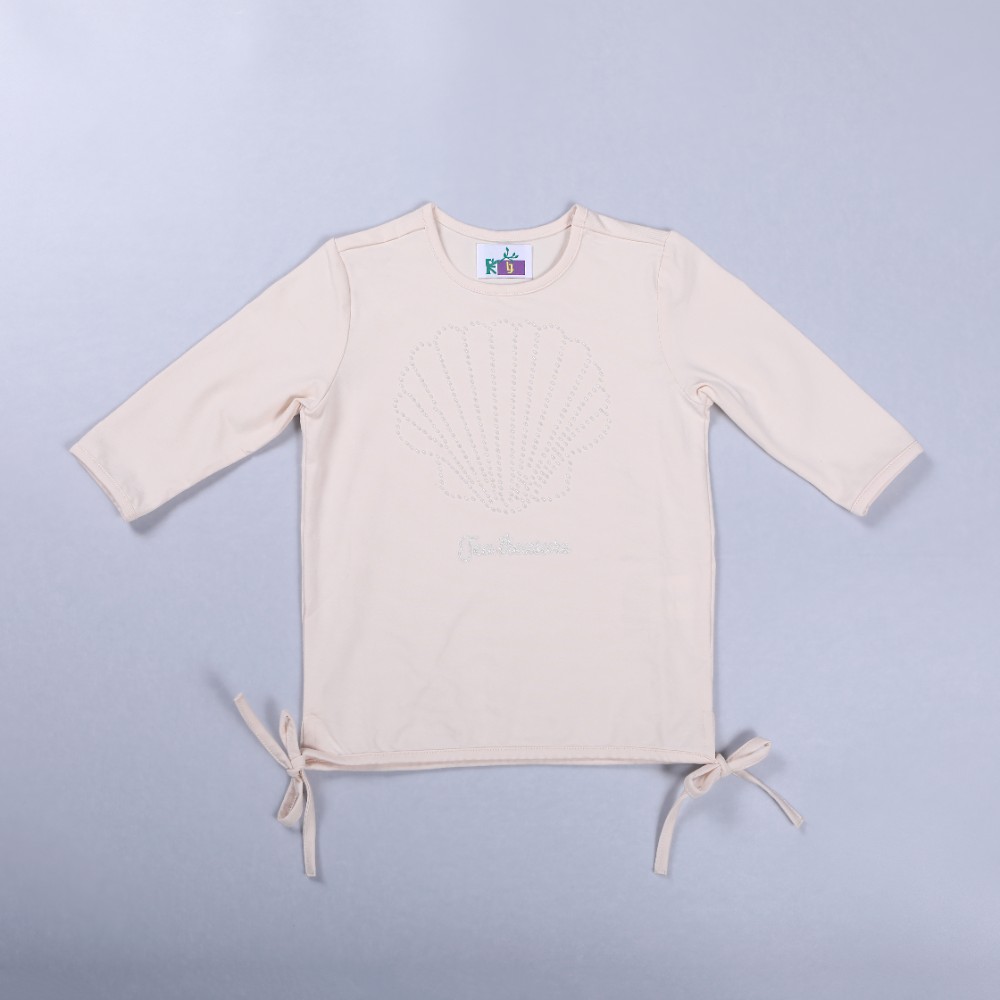
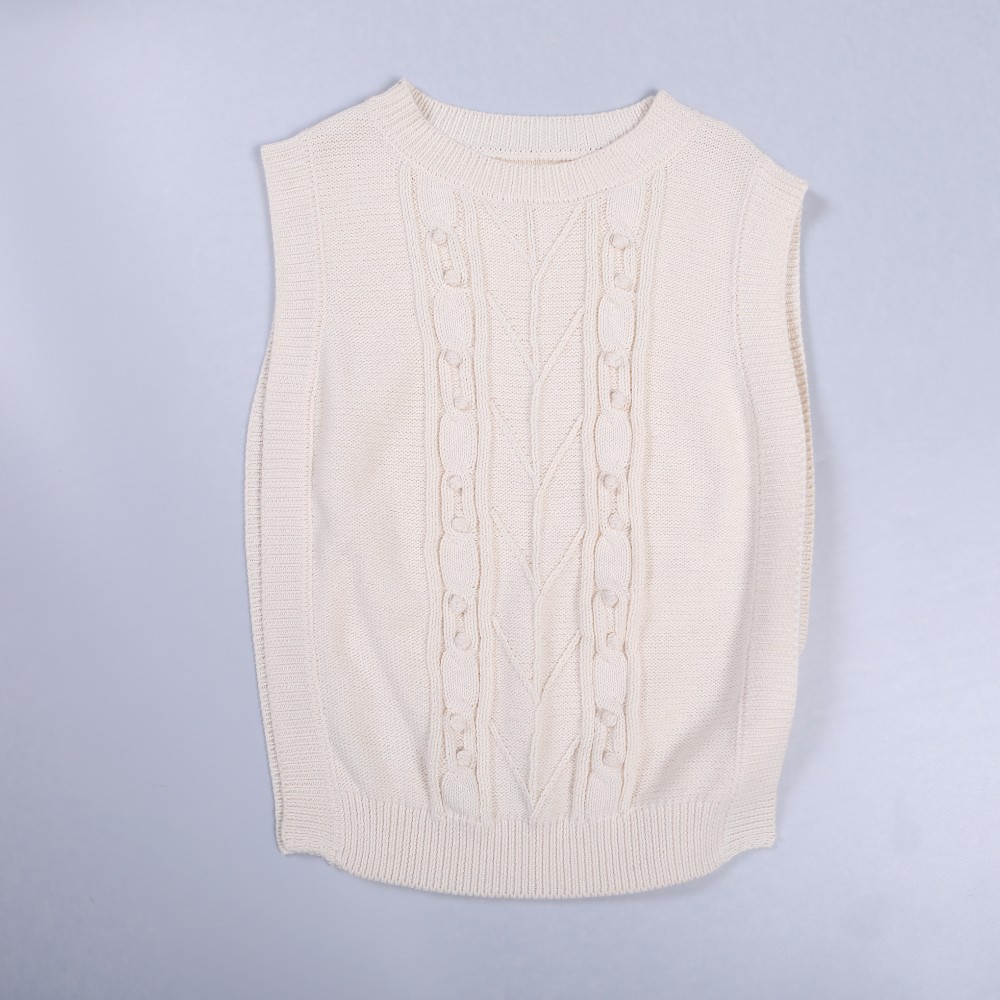
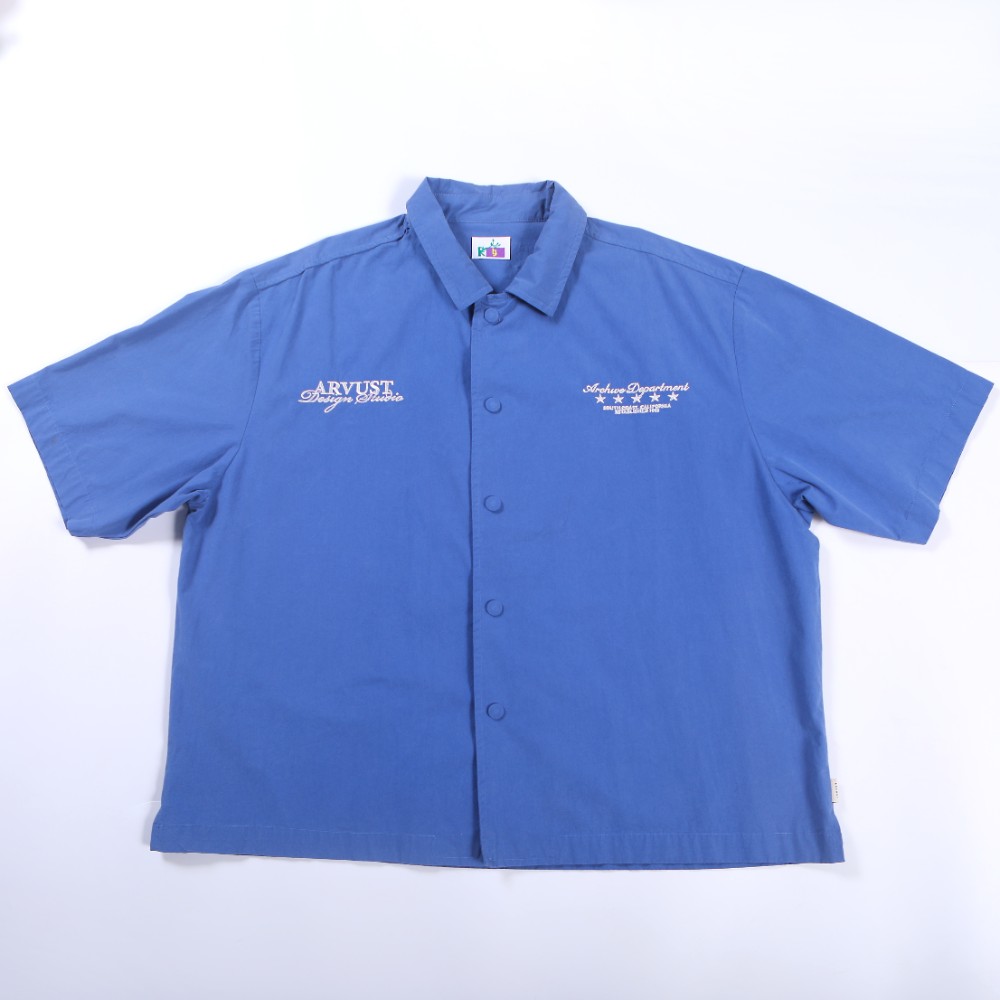
The image may show the desired silhouette, neckline, knit texture, button style, colour direction and overall feeling. However, it does not automatically explain the exact measurements, yarn composition, knit density, construction method, trims, labels or production requirements.
Is a Reference Image Enough for Baby Knitwear Sampling?
No. A reference image is a useful starting point, but it usually does not provide all the measurable, material and construction information required for sampling.
A reference image may clearly show:
- the general product category;
- the silhouette and proportion;
- the neckline shape;
- the visible knit texture;
- the button style;
- the general colour direction;
- the overall design feeling.
But it may not confirm:
- the target sample size;
- exact garment measurements;
- yarn composition and expected hand feel;
- knit structure and density;
- neckline, placket, cuff and hem construction;
- button specifications;
- colour standards;
- brand, size and care-label placement.
A Typical Baby Knitwear Sampling Scenario
Imagine that a babywear brand wants to develop a knitted cardigan.
The brand already has:
- a reference image;
- a preferred colour direction;
- a target age range;
- a general fit idea;
- private-label requirements.
This information is enough to begin a discussion, but it may not yet be enough to prepare the sample.
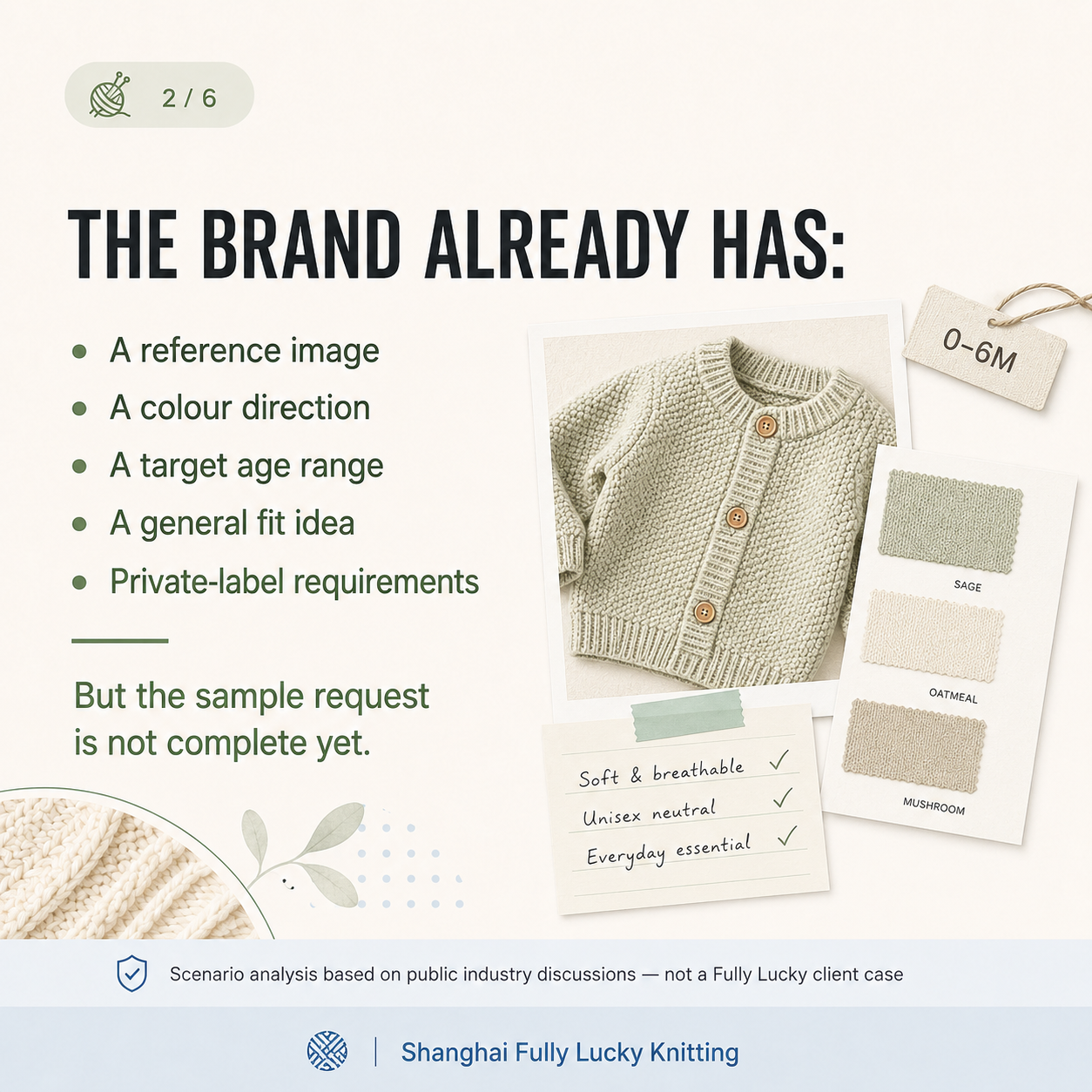
Initial information may communicate the concept without fully defining the sample.
Reference Image vs. Sample Brief
A reference image and a sample brief serve different purposes.
| Reference Image | Sample Brief |
|---|---|
| Shows visual inspiration | Defines confirmed sample requirements |
| Communicates overall direction | Records measurements, materials and construction |
| May leave technical details open | Reduces silent assumptions |
| Begins the discussion | Supports sample execution and review |
What Information May Be Missing from a Reference Image?
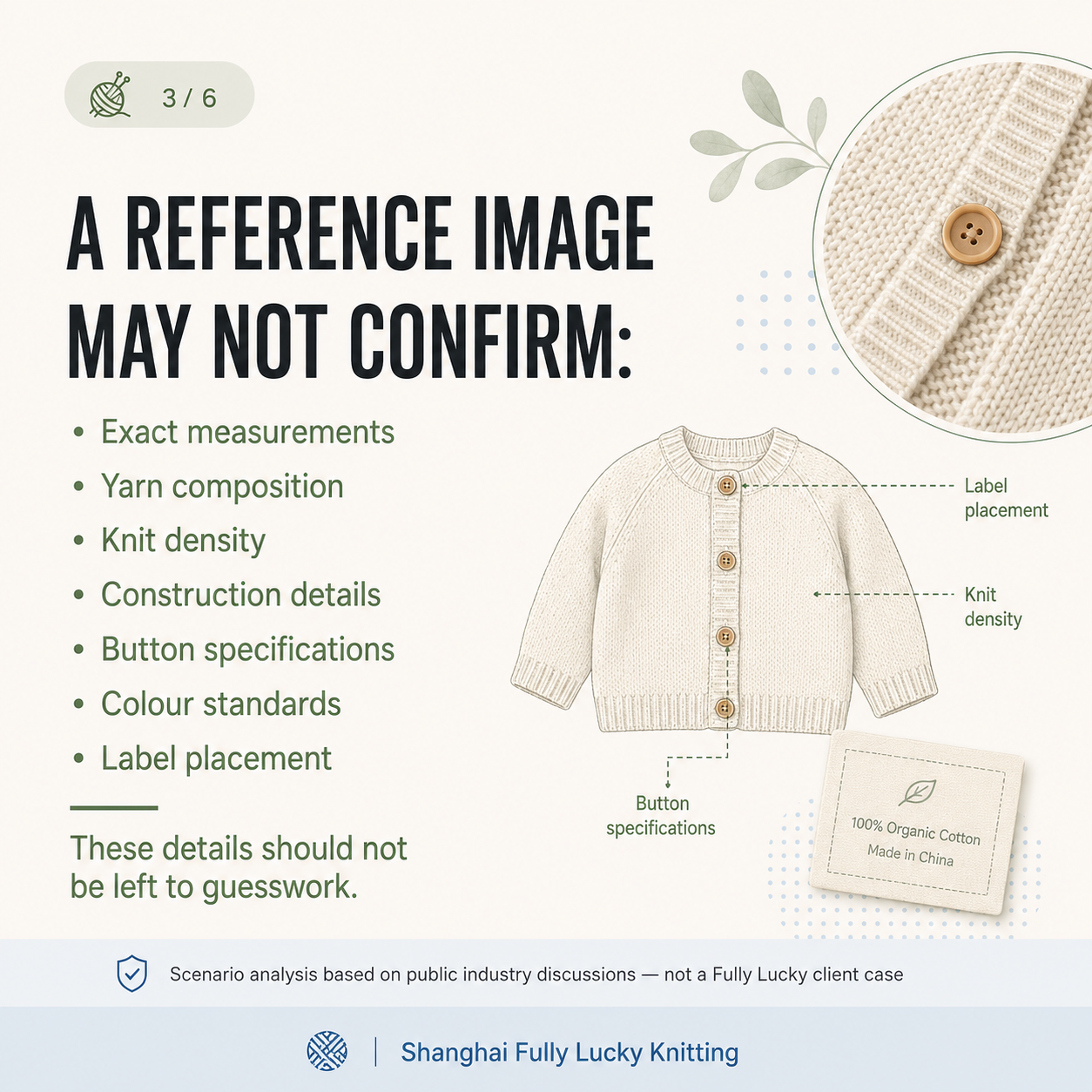
Important production details should be confirmed rather than inferred from an image.
1. Garment Measurements
A reference image does not usually provide exact measurements. Depending on the product, a baby knitwear sample brief may need to include:
- chest width;
- body length;
- sleeve length;
- shoulder or raglan measurements;
- neckline width and depth;
- cuff and hem dimensions;
- placket width.
A measurement chart, approved garment or marked-up product image can help clarify these requirements.
2. Yarn Composition and Hand Feel
An image cannot fully communicate how a knitted garment should feel. The buyer may need to clarify whether the product should be lightweight, heavier, smooth, fluffy, structured, stretchy or suitable for a particular season.
The visual appearance and physical hand feel are related, but they are not the same requirement.
3. Knit Structure and Density
Two knitted garments may look similar in a photograph but feel and perform differently because of the stitch structure, yarn and knit density.
These choices may influence:
- garment weight;
- stretch;
- drape;
- warmth;
- surface texture;
- shape retention.
4. Construction Details
A reference image may show the overall appearance without clearly showing how the garment is constructed.
Details that may require confirmation include:
- neckline construction;
- shoulder or raglan shape;
- front opening;
- placket width;
- rib structure;
- seam or linking details;
- buttonhole placement;
- finishing requirements.
5. Colours, Trims and Labels
A screen image cannot always provide an accurate colour standard. Different devices, lighting conditions and image editing may change how a colour appears.
The buyer may provide:
- a Pantone reference;
- a yarn swatch;
- an approved colour sample;
- a physical reference garment.
Buttons, snaps, tapes, embroidery, patches, brand labels, size labels and care labels should also be specified rather than assumed.
What Should a Babywear Brand Clarify Before Sampling?
One of the most useful steps is to identify the product’s non-negotiable details.
A brand may clarify that:
- the neckline must remain close to the reference;
- the body should have a relaxed fit;
- the yarn should feel soft and lightweight;
- the ribbed hem should not be too tight;
- the button colour must coordinate with the yarn;
- the garment must follow the brand’s existing size chart.
These priorities help the supplier understand where accuracy is essential and where practical adjustments may be discussed.
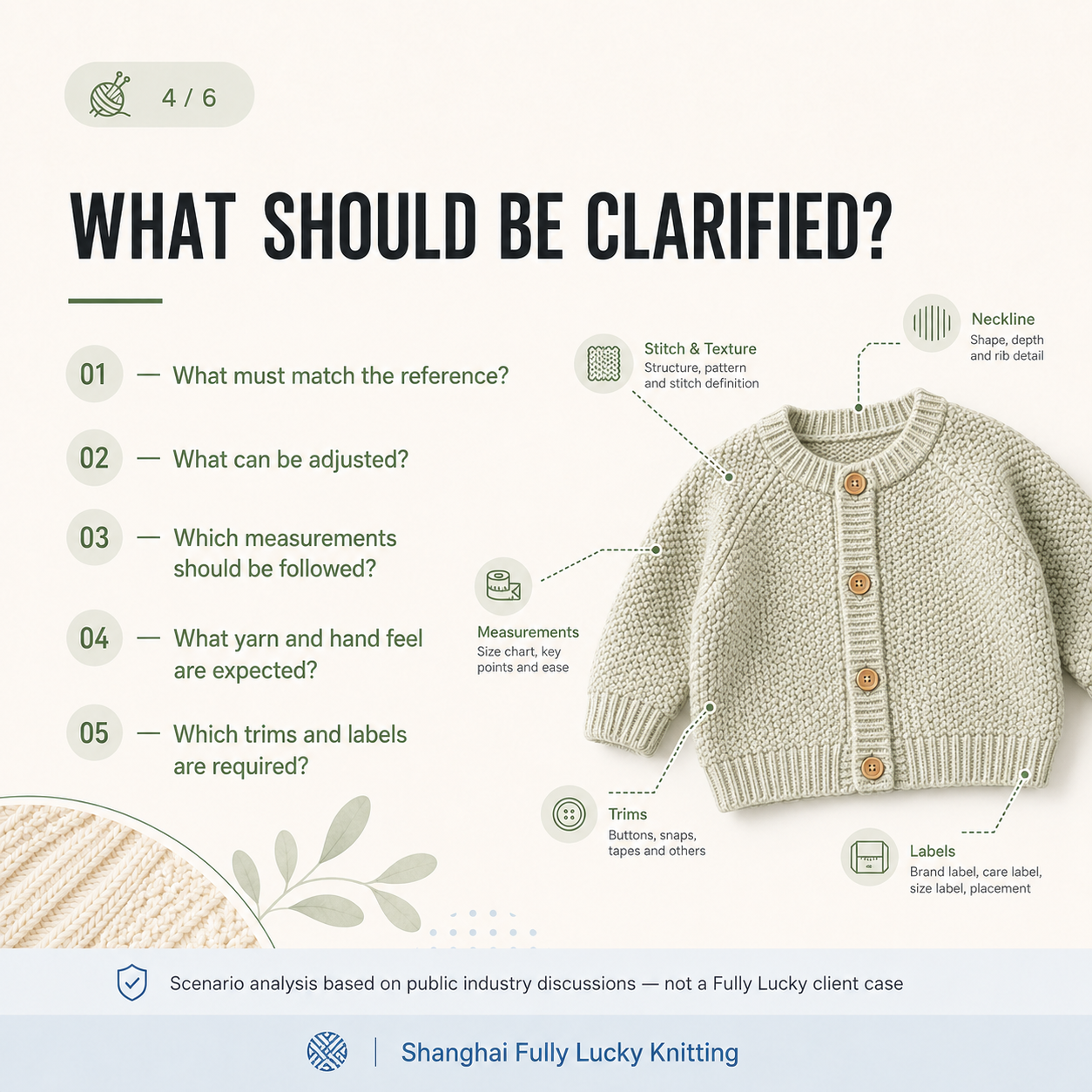
Specific questions are more useful than asking the supplier or buyer to provide “more details.”
How to Turn a Reference Image into an Executable Sample Brief
Step 1: Review the Reference Image
The supplier first identifies what the image communicates clearly. This may include the product type, silhouette, visible knit texture, neckline, opening and general colour direction.
Step 2: Identify Missing Information
The supplier separates confirmed requirements from assumptions. Missing measurements, material specifications, construction details, trims and labels should be listed.
Step 3: Confirm Requirements with the Buyer
Specific questions make communication more actionable.
For example:
- Which sample size should be developed?
- Which measurement chart should be followed?
- Is there a preferred yarn composition?
- What hand feel is expected?
- Which details must closely match the reference?
- Can the button type or size be adjusted?
- Is there a Pantone or physical colour reference?
- Where should the brand and care labels be placed?
Step 4: Record the Agreed Details
Sampling discussions may happen across email, WhatsApp, WeChat, shared files and video calls. Once decisions have been made, they should be consolidated into one working reference.
This may be:
- an updated tech pack;
- a measurement chart;
- a sample requirement sheet;
- annotated product images;
- a written confirmation document.
Step 5: Prepare the Sample Brief
The final brief should contain enough confirmed information for the supplier and factory to prepare the sample without relying on silent assumptions.
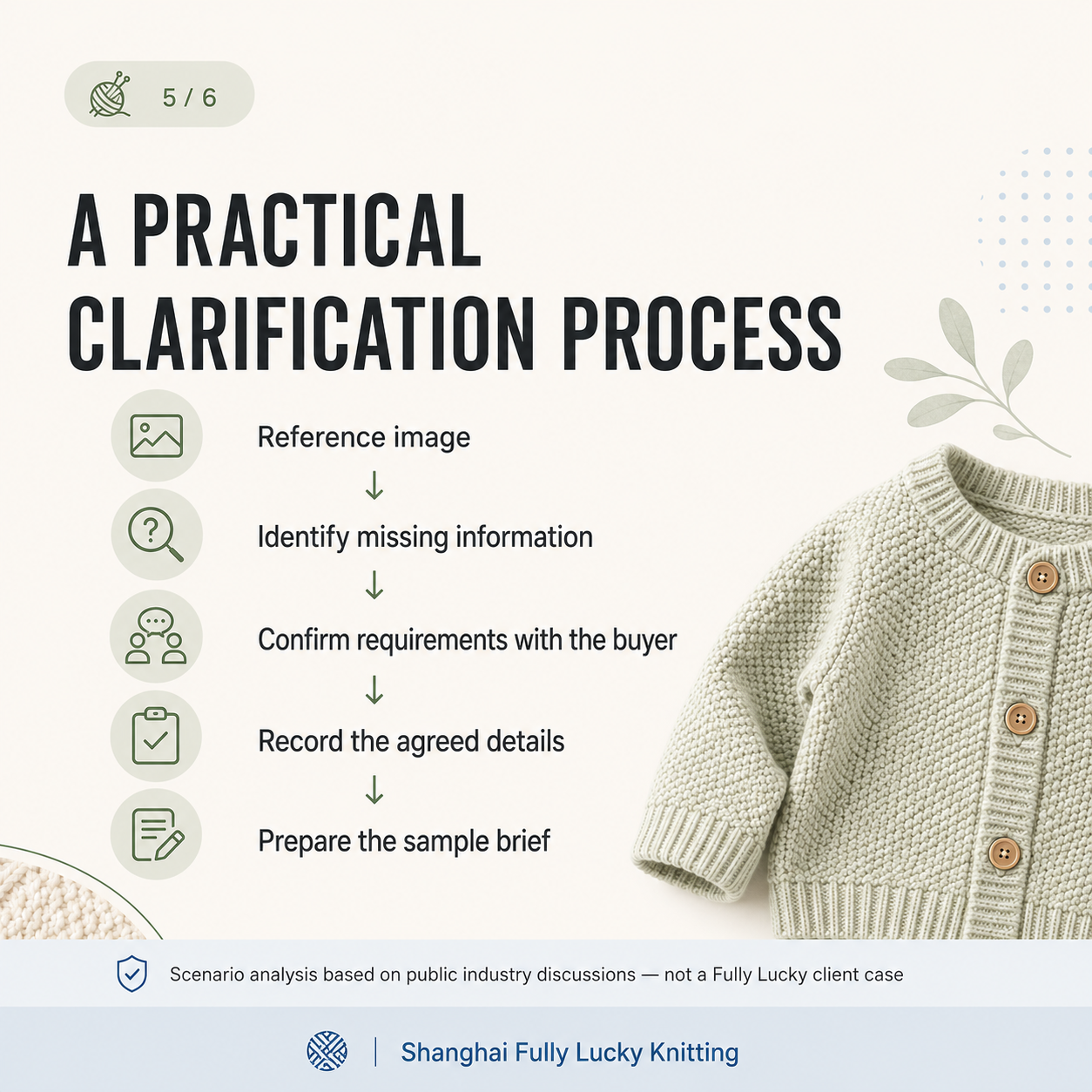
A practical clarification process turns visual inspiration into a usable sample brief.
📋 Baby Knitwear Sampling Checklist
Before sending a sample request to a baby knitwear manufacturer, a brand can prepare the following information:
- ☐ Reference image
- ☐ Front, back and detail images
- ☐ Physical reference sample, if available
- ☐ Product type
- ☐ Target age range
- ☐ Target sample size
- ☐ Measurement chart
- ☐ Fit comments
- ☐ Yarn composition
- ☐ Expected hand feel
- ☐ Knit structure and density
- ☐ Colour reference
- ☐ Button or trim details
- ☐ Brand, size and care-label placement
- ☐ Private-label requirements
- ☐ Packaging requirements
- ☐ Non-negotiable design details
Not every product development project begins with a complete tech pack. However, the information required for sampling should eventually be confirmed and recorded.
⚠️ Common Mistakes When Sending a Reference Image
Sending Only One Image
One front image may not show the back, side, neckline, cuffs, hem, trims or construction details.
Not Providing Measurements
Without measurements, the supplier may have to estimate proportions, making the first sample harder to evaluate.
Not Clarifying Yarn and Hand Feel
A similar visual effect can be created using different yarns, but the final weight, texture and hand feel may differ.
Using an Unclear Colour Reference
Screen colours vary. A Pantone reference, physical swatch or approved sample can improve colour communication.
Scattering Decisions Across Different Messages
If decisions remain spread across email, chat and calls, important information may be missed. A consolidated working document gives both sides a clearer reference.
What Makes Sample Feedback More Actionable?
After receiving the first sample, the buyer should compare it with the confirmed brief.
Comments such as “the sample does not look right” may express a valid concern, but they do not always explain what needs to change.
More actionable feedback includes:
- reduce the body length by 2 cm;
- widen the neckline slightly;
- use a smaller button;
- reduce the tension at the ribbed hem;
- adjust the sleeve opening;
- move the label position;
- use a lighter knit density;
- revise the colour toward the approved standard.
Clear feedback helps the supplier understand what should be changed and reduces unnecessary back-and-forth.
What Shows That a Supplier Understands the Design?
Supplier understanding is not mind reading.
A supplier who understands a design is not simply someone who looks at a reference image and immediately says: “No problem. We can make it.”
A more useful sign is whether the supplier can identify:
- what is already clear;
- what information is still missing;
- which details may affect the sample;
- what needs buyer confirmation;
- what should be recorded before production.
Professional sampling communication begins by identifying what still needs to be confirmed.
How Shanghai Fully Lucky Knitting Supports Sample-Based Production
Shanghai Fully Lucky Knitting is a baby and kids apparel OEM manufacturer supporting overseas brands and buyers with babywear, kidswear, knitwear and sample-based production.
We can work with:
- physical reference samples;
- existing styles;
- tech packs;
- measurement charts;
- colour requirements;
- private-label specifications.
Our role is not to replace the brand’s design decisions or invent missing design details without confirmation.
Our role is to help clarify practical requirements, communicate confirmed information and support the sampling and production process.
✅ Key Takeaways
- A reference image is a useful starting point, but it is not a complete sample instruction.
- Baby knitwear sampling requires confirmed measurements, yarn, knit structure, construction, trims and labels.
- A sample brief turns visual inspiration into more executable information.
- Buyers should identify which details must match the reference and which can be adjusted.
- Suppliers should ask specific questions rather than silently making assumptions.
- Clear sample feedback makes revisions easier to understand and execute.
Frequently Asked Questions
Is a reference image enough for baby knitwear sampling?
No. A reference image can communicate visual direction, but it usually does not confirm measurements, yarn composition, knit density, construction, trims, labels or colour standards. These details should be clarified before sampling.
What should be included in a baby knitwear sample brief?
A baby knitwear sample brief may include the product type, target age group, sample size, garment measurements, yarn composition, knit structure, colour reference, construction details, trims, labels, packaging requirements and non-negotiable design details.
Does a brand need a complete tech pack before requesting a sample?
A complete tech pack is helpful, but it is not the only possible starting point. A brand may also provide a physical reference sample, measurement chart, marked-up images, colour references and written requirements. The necessary information should eventually be confirmed and recorded.
What is the difference between a reference image and a sample brief?
A reference image shows visual inspiration. A sample brief records confirmed information for sampling, such as measurements, yarn, knit structure, construction, trims and labels. The reference image begins the discussion, while the sample brief supports execution.
What should a supplier do when information is missing?
The supplier should identify the missing information, ask specific questions and confirm the buyer’s requirements before sampling rather than silently making assumptions.
Can Shanghai Fully Lucky Knitting support sample-based baby knitwear production?
Yes. Shanghai Fully Lucky Knitting supports overseas brands and buyers with babywear, kidswear, knitwear and sample-based OEM production. We can work with reference samples, existing styles, tech packs, measurement charts, colour requirements and private-label specifications.
Need Support with Baby Knitwear Sampling?
Shanghai Fully Lucky Knitting supports overseas brands and buyers with babywear, kidswear, knitwear and sample-based OEM production.
Share your reference sample, existing style, tech pack, measurement chart, colour requirements or private-label specifications with our team.
Contact Shanghai Fully Lucky Knitting →